



Soapstone Countertops
Natural Stone · Soft Matte · Heat Resistant
Soapstone is a natural stone known for its soft matte appearance, smooth feel, heat resistance, and lived-in character. Homeowners often choose soapstone for countertops, bathroom vanities, fireplaces, bar tops, laundry rooms, and custom residential features where natural warmth and surface character are part of the design goal.
- soft matte Smooth feel
- heat resistant Durable
- lived-in Natural patina
Natural
Nonporous
Matte
4.5GOOGLE RATING
300+REVIEWS
Flawless granite fabrication and installed within our tight timeline—our kitchen looks stunning!
Flawless granite fabrication and installed within our tight timeline—our kitchen looks stunning!
Flawless granite fabrication and installed within our tight timeline—our kitchen looks stunning!
What Is Soapstone?
Soapstone is a natural stone made primarily of talc, which gives it a softer feel and a smooth, matte surface. It is usually darker in appearance and may include subtle veining, movement, and natural variation from slab to slab.
Because soapstone is natural stone, each slab has its own tone, pattern, and surface character. It is often selected by homeowners who want a warm, understated material that can develop patina over time.
natural stone
Why Homeowners Choose Soapstone
Homeowners often choose soapstone for its heat resistance, low porosity, soft matte look, and natural character. It has a different feel than polished granite, quartz, or marble, which makes it appealing for kitchens, fireplaces, bars, and spaces with a more grounded design style.
Soapstone is not usually chosen for a perfectly uniform or glossy appearance. It is chosen because homeowners value natural variation, visible aging, and the character that develops as the surface is used.
Best Selected in Person
1
Heat Resistant
Soapstone is known for strong heat resistance, making it a strong fit for kitchens and fireplaces.
2
Low Porosity
3
Soft Matte Look
4
Natural Character
Kitchen Countertops
Bathroom Vanities
Laundry Rooms
Bar Tops
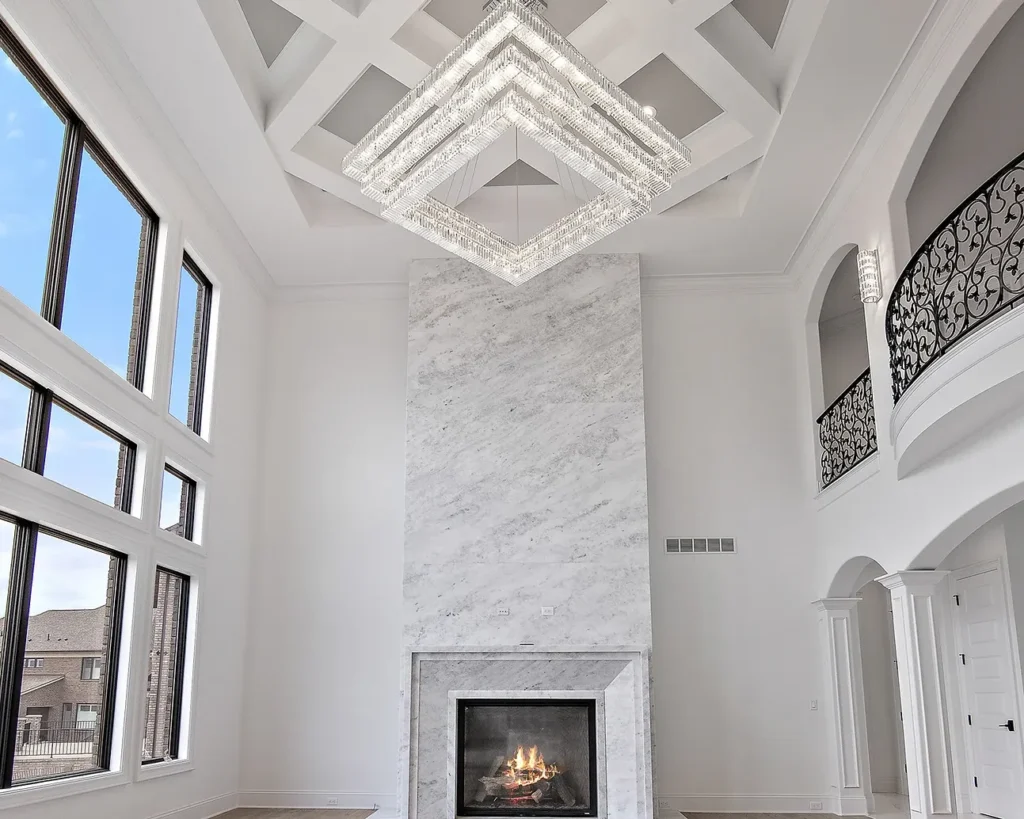
Fireplace Surrounds & Hearths
Backsplashes
Tabletops
Utility Spaces
Soapstone can be used for kitchen countertops, bathroom vanities, laundry room countertops, bar tops, fireplace surrounds, hearths, backsplashes, tabletops, utility spaces, and custom residential stone features.
It can be a strong option for homeowners who want a natural stone surface with heat resistance, low porosity, and a softer, more lived-in appearance than many other countertop materials.
Soapstone for Kitchens, Bathrooms, Fireplaces, and Custom Features
Kitchens · Baths · Fireplaces
Soapstone Performance and Care
Soapstone is known for strong heat resistance and low porosity. It typically does not need to be sealed, which helps separate it from many other natural stone materials.
Like any surface material, soapstone has care considerations. It is softer than granite, quartzite, and many other countertop stones, so it can scratch, nick, or dent with use. Some marks become part of the stone’s patina, while others may be softened or minimized with care.
1
Heat Resistant
Soapstone is known for strong heat resistance, making it a strong fit for kitchens and fireplaces.
2
Low Porosity
3
Soft Matte Look
4
Natural Character
Soapstone Patina and Surface Character
Soapstone naturally darkens and develops patina over time. This aging process is part of the material’s character and can give the surface a deeper, more lived-in appearance. Some homeowners use mineral oil or soapstone wax to darken the surface and create a more even look as the patina develops — oiling is usually a cosmetic choice, not a sealing requirement.
Natural Patina
Soapstone naturally darkens and develops patina over time. This aging process is part of the material’s character and can give the surface a deeper, more lived-in appearance.
Oiling Is Cosmetic
Some homeowners use mineral oil or soapstone wax to darken the surface and create a more even look as the patina develops. Oiling is usually a cosmetic choice, not a sealing requirement.
A Living Surface
Ages Beautifully
Soapstone Compared With Other Stone Materials
| Material | Natural Stone | Benefits from Sealing | Heat Resistant | Nonporous | Consistent Look |
|---|---|---|---|---|---|
| Soapstone | |||||
| Granite | |||||
| Quartz | |||||
| Marble | |||||
| Quartzite | |||||
| Porcelain |
Soapstone
Granite
Harder and known for broad color variety and durability.
Quartz
Marble & Quartzite
Hard Rock Stone Works Soapstone Selection
Hard Rock Stone Works offers natural stone surfaces for kitchens, bathrooms, fireplaces, and custom residential projects. Soapstone availability may vary by slab color, veining, size, finish, and current inventory.
Because soapstone has a softer surface and develops patina over time, homeowners should review the slab in person and understand how the material may change with use before making a final selection.
Natural Patina
Every Slab Unique
Preview Before Your Choose
Preview Soapstone With the 3D Room Visualizer
Soapstone color, tone, and surface character can look different depending on the room, lighting, cabinetry, flooring, and surrounding finishes. The 3D Room Visualizer can help homeowners preview surface options in a kitchen or bathroom setting before narrowing down material choices.
What to Confirm Before Choosing Soapstone
Before choosing soapstone, homeowners should consider the room, layout, slab color, veining, finish, edge style, scratch tolerance, patina expectations, and how the surface will be used.
Soapstone is best reviewed in person because each slab has its own tone, movement, veining, and surface character.
Confirm Before Choosing
- Room and layout
- Slab color
- Veining
- Finish
- Edge style
- Scratch tolerance
- Patina expectations
- How the surface will be used
Best Reviewed in Person
Frequently Asked Questions About Soapstone Countertops
These questions cover common planning details for soapstone countertops and stone surfaces, including heat resistance, sealing, staining, scratching, patina, oiling, material comparisons, and slab selection.
What is soapstone?
Is soapstone natural stone?
Is soapstone good for kitchen countertops?
Is soapstone good for bathroom countertops?
Can soapstone be used for fireplace surrounds?
Does soapstone need to be sealed?
Does soapstone stain?
Is soapstone heat resistant?
Does soapstone scratch?
Does soapstone need oiling?
What is soapstone patina?
Explore Where Soapstone Can Be Used
Considering Soapstone countertops
If you are considering soapstone countertops or another soapstone surface, start by reviewing the room, slab preferences, patina expectations, and how the surface will be used.