



Porcelain Countertops
Manufactured Ceramic · Heat & Stain Resistant · Low Maintenance
Porcelain is a manufactured ceramic surface made from refined clay and minerals fired at high temperatures. Homeowners often choose porcelain for kitchens, bathrooms, backsplashes, shower walls, tub surrounds, fireplaces, wall façades, and other residential surfaces where durability, design flexibility, and low maintenance matter.
- manufactured ceramic surface
- UV resistant fade resistant
- low maintenance no sealing
ceramic
fired surface
nonporous
low porosity
no seal
easy care
4.5GOOGLE RATING
300+REVIEWS
Flawless granite fabrication and installed within our tight timeline—our kitchen looks stunning!
Flawless granite fabrication and installed within our tight timeline—our kitchen looks stunning!
Flawless granite fabrication and installed within our tight timeline—our kitchen looks stunning!
What Is porcelain?
Porcelain is a manufactured surface, not a natural stone slab. It is made to create a dense, durable, low-porosity material with controlled color, pattern, and finish options.
Design options can resemble natural stone, concrete, or modern solid surfaces. Homeowners can choose from polished, matte, textured, and other finish styles depending on the look and use of the space.
manufactured ceramic
Why Homeowners Choose porcelain
Homeowners often choose porcelain for its heat resistance, stain resistance, UV resistance, low maintenance, and design flexibility. It can be used in many residential applications, from countertops to vertical wall surfaces.
Because porcelain is manufactured, it can offer a more controlled look than many natural stone materials while still supporting dramatic patterns, soft movement, or clean modern designs.
controlled design
1
Heat Resistant
Porcelain is known for strong heat resistance, making it well suited to kitchens and busy surfaces.
2
stain resistant
Low porosity and stain resistance make porcelain easy to clean and maintain.
3
uv resistant
UV resistance supports many residential applications, including select outdoor surfaces.
4
design flexibility
A more controlled look than many natural stones, with dramatic patterns or clean modern designs.
ESTIMATE NOW
CURRENT INVENTORY
SCHEDULE APPOINTMENT
kitchen countertops
BATHROOM countertops
BACKSPLASHES
laundry room surfaces
tabletops
SHOWER WALLS & TUB SURROUNDS
FIREPLACE SURROUNDS
wall facades
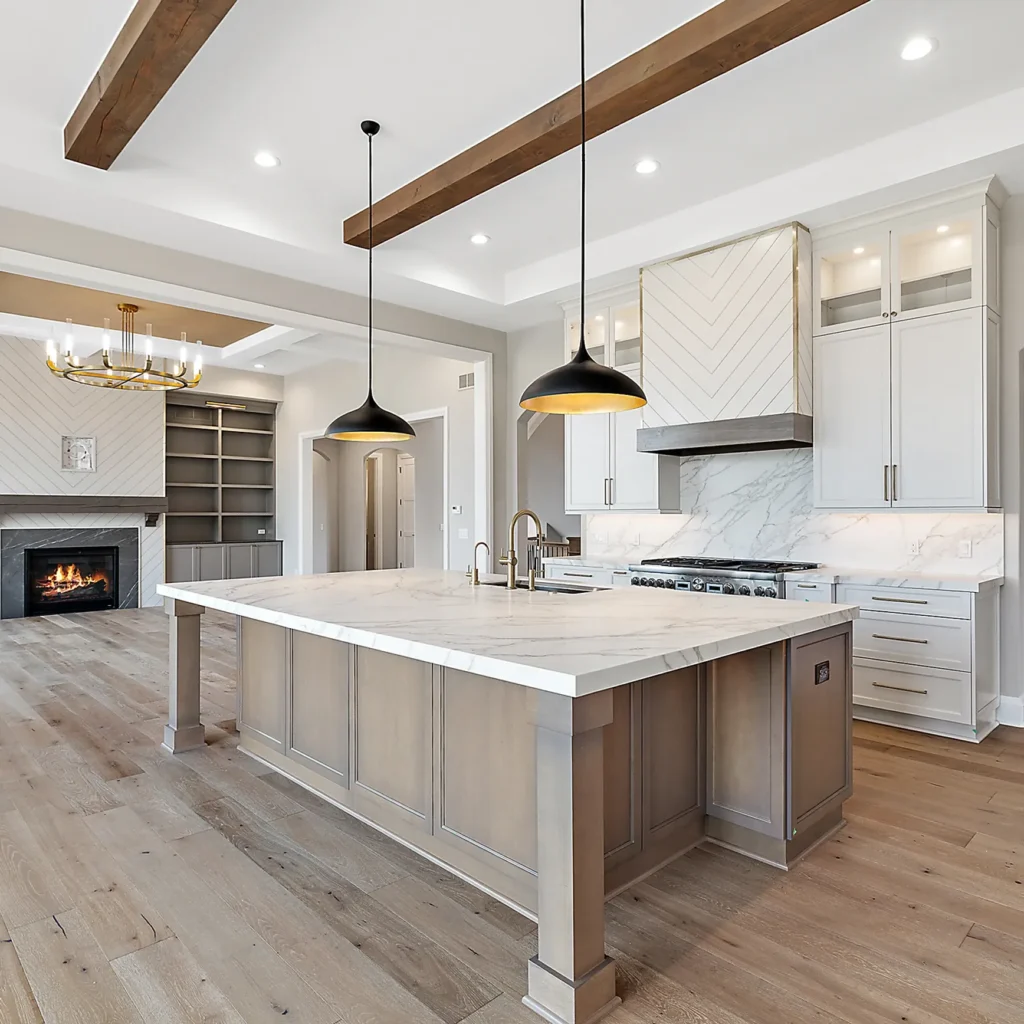
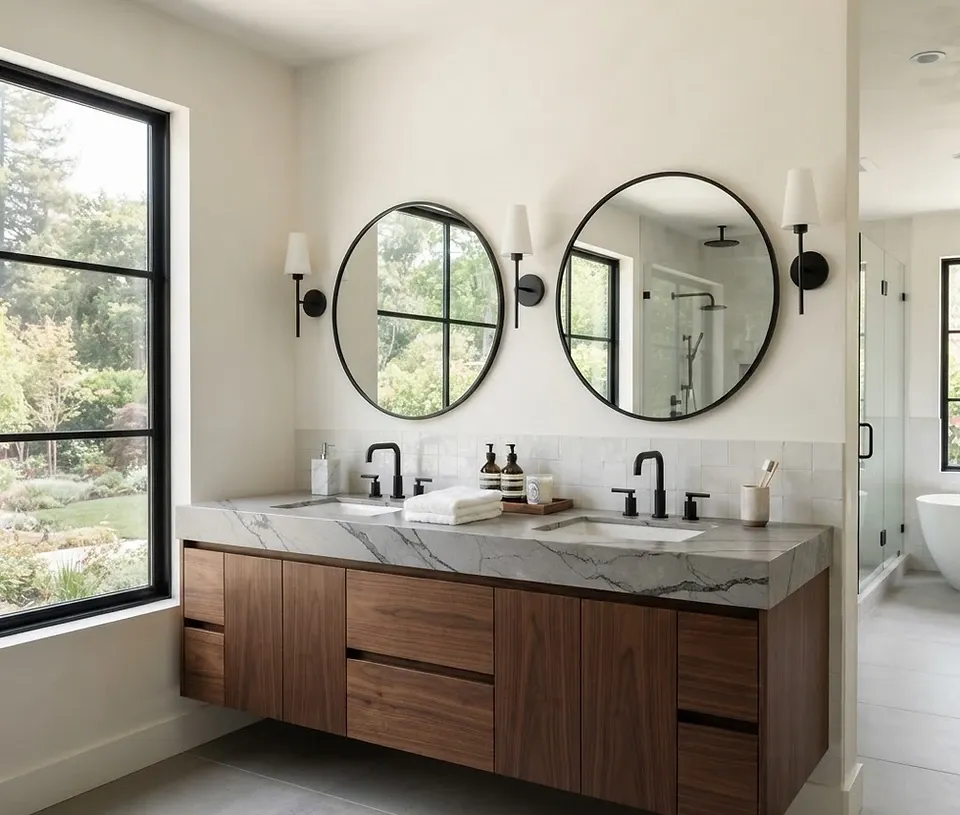
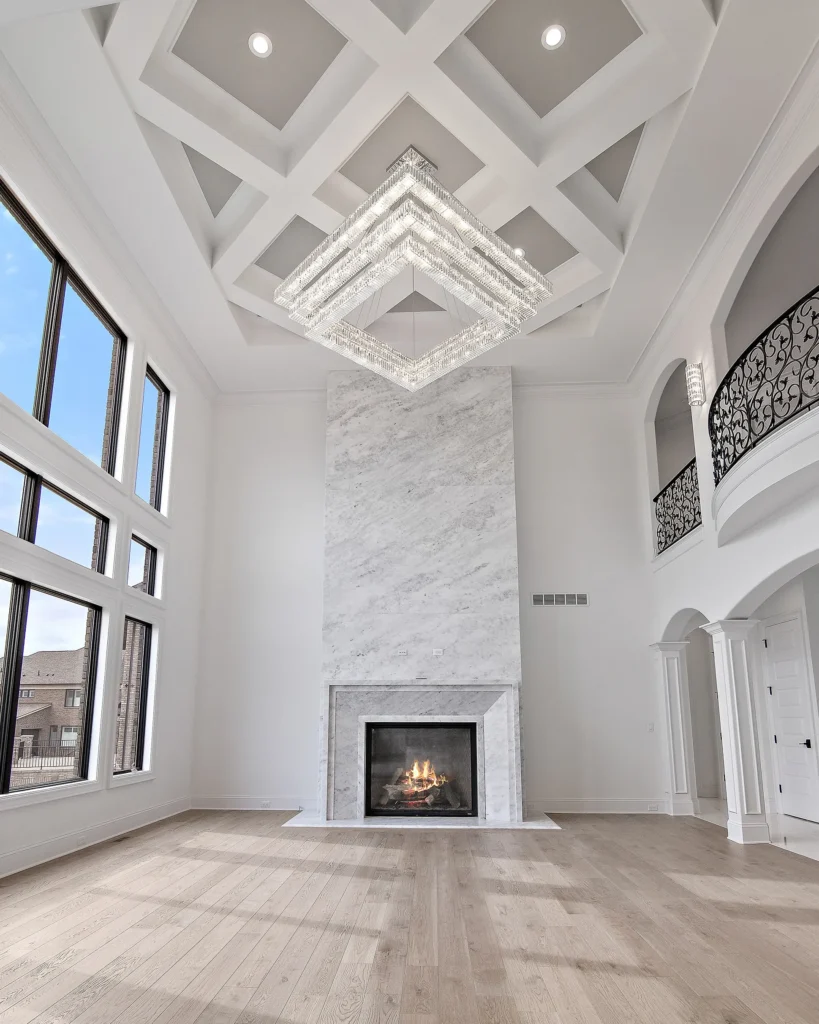
Porcelain can be used for kitchen countertops, bathroom countertops, backsplashes, laundry room surfaces, tabletops, shower walls, tub surrounds, fireplace surrounds, wall façades, and other residential surfaces.
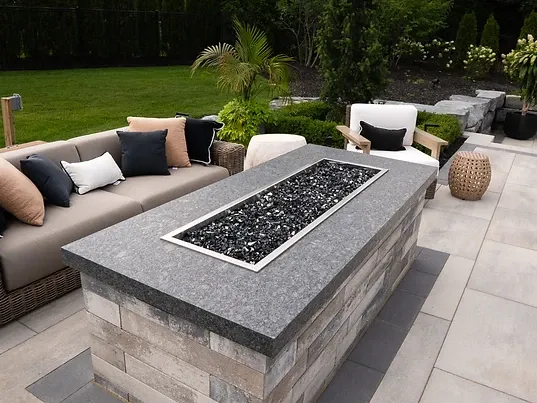
Some outdoor applications may also be possible because of porcelain’s UV resistance and low porosity. Outdoor use should still be reviewed carefully based on the material, support, exposure, and installation conditions.
porcelain for kitchens, bathrooms, walls, and outdoor spaces
Whole-Home Applications
porcelain Performance and Care
Porcelain is known for strong heat resistance, low porosity, stain resistance, and easy cleaning. It typically does not need to be sealed, which can make it a strong option for busy kitchens, bathrooms, and wall applications.
Like any surface material, porcelain is not indestructible. It can chip or crack if struck with enough force, especially along edges, corners, cutouts, or unsupported areas.
2
Heat Resistant
Porcelain is known for strong heat resistance, a strong fit for busy kitchens and bathrooms.
4
low porosity
Low porosity and stain resistance make porcelain easy to clean and low maintenance.
1
No Sealing needed
Porcelain typically does not need to be sealed, which can make it a strong option for busy surfaces.
3
Chips & Cracks
Porcelain is not indestructible. It can chip or crack if struck with enough force, especially along edges, corners, cutouts, or unsupported areas.
Porcelain Fabrication and Installation Considerations
Porcelain requires experienced fabrication and installation. Slab thickness, edge details, cutouts, panel handling, seams, support, and installation access all need to be planned carefully.
Porcelain patterns are typically on the surface rather than running through the full slab. Mitered edges can help create a thicker, more finished edge appearance when planned and fabricated correctly.
Slab Thickness & Edges
Slab thickness and edge details need to be planned carefully for the finished look.
Cutouts & Support
Cutouts, panel handling, seams, and support all require planning for proper performance.
Surface Patterns
Porcelain patterns are typically on the surface rather than running through the full slab.
Mitered Edges
Mitered edges can help create a thicker, more finished edge appearance when planned and fabricated correctly.
Engineered Fabrication matters
porcelain Compared With Other Stone Materials
Porcelain is often compared with quartz, granite, quartzite, marble, and soapstone. The right material depends on the room, desired look, care expectations, heat exposure, slab availability, installation needs, and how the surface will be used.
| Material | Natural Stone | Benefits From Sealing | Heat Resistant | Nonporous | Consistent Look |
|---|
porcelain
Manufactured ceramic known for heat resistance, UV resistance, low porosity, and design flexibility.
quartz
Engineered, nonporous, and more consistent in appearance.
natural stone
Granite, quartzite, marble, and soapstone offer unique variation, movement, and slab character.
best for
Projects where durability, controlled design, and easy care matter most.
Hard Rock Stone Works porcelain Selection
Hard Rock Stone Works offers porcelain in a range of colors, patterns, finishes, and slab styles. Current availability may vary by color, finish, slab size, thickness, brand, and inventory.
Because porcelain projects can depend on slab size, thickness, edge details, and installation conditions, reviewing the material with an experienced team is an important part of the selection process.
many finishes
color, pattern & finish
Preview Before Your Choose
Preview porcelain With the 3D Room Visualizer
Porcelain color, pattern, and finish can look different depending on the room, lighting, cabinetry, flooring, and surrounding finishes. The 3D Room Visualizer can help homeowners preview surface options in a kitchen or bathroom setting before narrowing down material choices.
What to Confirm Before Choosing porcelain
Before choosing porcelain, homeowners should consider the room, layout, slab size, thickness, edge style, finish, cutouts, panel layout, support needs, installation area, and whether the material is appropriate for the project.
For wall, shower, tub surround, fireplace, or outdoor applications, the installation details should be reviewed carefully before fabrication begins.
Confirm Before Choosing
- Room and layout
- Thickness
- Finish
- Panel layout
- Installation area
- Slab size
- Edge style
- Cutouts
- Support needs
- Material suitability
Best Reviewed with our team
Frequently Asked Questions About Porcelain Countertops
These questions cover common planning details for porcelain countertops and slab surfaces, including heat resistance, stain resistance, sealing, fabrication, wet-area use, outdoor use, and material comparisons.
What is porcelain?
Porcelain is a manufactured ceramic material made from refined clay and minerals that are fired at high temperatures to create a dense, durable slab surface.
Is porcelain natural stone?
No. Porcelain is a manufactured ceramic surface, not a natural stone slab. It is made to create a durable, low-porosity surface with controlled color, pattern, and finish options.
Is porcelain good for kitchen countertops?
Yes. Porcelain can be a strong option for kitchen countertops because it is heat resistant, stain resistant, low porosity, and available in many colors and patterns.
Is porcelain good for bathroom countertops?
Yes. Porcelain can be used for bathroom countertops, shower walls, tub surrounds, and other wet-area surfaces when the layout, panel size, seams, wall conditions, and installation details are planned correctly.
Can porcelain be used for outdoors?
Porcelain may be used in some outdoor applications because it offers strong UV resistance and low porosity, but the material, support, exposure, and installation details should still be reviewed for the specific project.
Does porcelain need to be sealed?
Porcelain typically does not need to be sealed because it is a dense, low-porosity surface.
Is porcelain heat resistant?
Porcelain is known for strong heat resistance, but homeowners should still follow care guidance and use protection when appropriate to preserve the surface and surrounding materials.
Can porcelain chip or crack?
Yes. Porcelain is durable, but it can chip or crack if struck with enough force, especially along edges, corners, cutouts, or unsupported areas.
Why does porcelain require experienced fabrication?
Porcelain can be more challenging to fabricate than some other surfaces because slab thickness, edge treatment, cutouts, panel handling, and installation conditions require the right tools, planning, and experience.
Does porcelain reduce grout lines?
Large-format porcelain slabs can reduce grout lines compared with smaller tile, creating a cleaner visual surface and fewer grout joints to maintain.
Explore Where Porcelain Can Be Used
Porcelain can be used in many areas of the home, from countertops and backsplashes to shower walls, tub surrounds, fireplace surrounds, and wall façades. The right application depends on the slab, finish, layout, support needs, exposure, and how the finished surface will be used.
Considering porcelain countertops
If you are considering porcelain countertops or another porcelain surface, start by reviewing the room, layout, slab preferences, installation needs, and how the surface will be used.