



Quartz Countertops
Engineered · Nonporous · Low Maintenance
Quartz is an engineered stone surface made from natural quartz particles combined with resins, binders, and pigments to create a durable, nonporous slab material. Homeowners often choose quartz for kitchens, bathrooms, laundry rooms, bars, and other interior surfaces because it offers consistent color, low maintenance, and a wide range of design options.
- ENGINEERED CONSISTENT
- NONPOROUS NO SEALING
- LOW CARE STAIN RESISTANT
90%
NATURAL QUARTZ
0
Sealing NEEDED
100%
COLORS & PATTERNS
4.5GOOGLE RATING
300+REVIEWS
Flawless granite fabrication and installed within our tight timeline—our kitchen looks stunning!
Flawless granite fabrication and installed within our tight timeline—our kitchen looks stunning!
Flawless granite fabrication and installed within our tight timeline—our kitchen looks stunning!
What Is QUARTZ?
Quartz is an engineered stone, not a natural stone slab. It is manufactured to create a consistent surface with controlled color, pattern, and performance. Because quartz is nonporous, it does not need to be sealed and is easy to clean with routine care.
Quartz is different from quartzite. Quartz is engineered for consistency and low maintenance. Quartzite is a natural stone known for unique movement, natural variation, and different care requirements.
ENGINEERED stone
Why Homeowners Choose Quartz
Quartz countertops are popular because they balance appearance, durability, and everyday function. They are available in many colors and patterns, including designs that resemble marble, concrete, natural stone, and modern solid-color surfaces.
Quartz is often chosen for busy homes because it is stain resistant, easy to maintain, and consistent from slab to slab. It can be a strong option when homeowners want a clean look with less variation than many natural stone materials.
1
MANY COLORS & PATTERNS
Designs that resemble marble, concrete, natural stone, and modern solid-color surfaces.
2
Stain Resistant
Nonporous surface helps resist stains from daily kitchen and bathroom use.
3
EASY TO MAINTAIN
Low maintenance with routine cleaning — no sealing required.
4
CONSISTENT APPEARANCE
Engineered for slab-to-slab consistency with less variation than natural stone.
Kitchen Countertops
Bathroom Vanities
Laundry Rooms
Bar Tops
closet isands
Tabletops
Quartz can be used for many interior stone applications, including kitchen countertops, bathroom vanities, laundry room countertops, bar tops, closet islands, tabletops, and some vertical interior features.
Quartz is typically best suited for indoor spaces. Outdoor use, direct sun exposure, high heat, and certain wet-area applications should be reviewed carefully before material selection.
WHERE QUARTZ CAN BE USED
indoor applications
Quartz is commonly used for kitchen countertops because it is durable, nonporous, easy to clean, and available in many colors and patterns. Kitchen planning should still account for sink cutouts, seams, appliance clearances, overhangs, edge style, and heat exposure.
Quartz is also a strong option for bathroom countertops and vanities because it resists moisture, does not require sealing, and supports a clean finished look.
Quartz for Kitchens and Bathrooms
kitchen countertops
Quartz Performance and Care
Quartz is durable, stain resistant, and low maintenance, but it is not indestructible. Homeowners should avoid excessive heat, harsh chemicals, and unsupported overhangs. Hot pans, cookware, and heat-producing appliances should not be placed directly on quartz surfaces.
Quartz can chip if it is struck with enough force, especially along edges, corners, sink cutouts, or high-use areas. Edge selection, layout planning, and normal care can help reduce the risk of chips.
1
Heat Precautions
Hot pans, cookware, and heat-producing appliances should not be placed directly on quartz surfaces. Use trivets or hot pads to protect the countertop.
2
avoid harsh chemicals
Harsh chemicals can damage the surface. Clean with routine care and mild products designed for quartz surfaces.
3
support overhangs
Unsupported overhangs can stress the slab. Proper support planning helps maintain the integrity of the installation.
4
chip awareness
Quartz can chip if struck with enough force, especially along edges, corners, sink cutouts, or high-use areas. Edge selection and layout planning can help reduce the risk.
Quartz Compared With Other Stone Materials
Quartz is often compared with granite, quartzite, marble, porcelain, and soapstone. The right material depends on the room, desired look, maintenance expectations, heat exposure, slab availability, and how the surface will be used.
| Material | Engineered | Nonporous | Consistent Look | Needs Sealing | Heat Tolerant |
|---|---|---|---|---|---|
| Quartz | |||||
| Granite | |||||
| Quartzite | |||||
| Marble | |||||
| Porcelain | |||||
| Soapstone |
quartz
Engineered, nonporous, and more consistent in appearance.
Granite & QUARTZITE
Natural stones with unique variation and movement.
Marble & Porcelain
Marble offers a classic look but requires more care. Porcelain can suit certain designs.
Hard Rock Stone Works Quartz Selection
Hard Rock Stone Works offers a wide selection of quartz colors, styles, and brands for homeowners, designers, and builders. Current availability may vary by color, slab size, brand, and inventory.
The Premium Quartz Collection is a curated quartz selection available through Hard Rock Stone Works, created to help homeowners and designers choose popular quartz colors with added availability and project support.
Premium Collection
curated colors
Popular quartz with added availability & project support
Preview Before Your Choose
Preview Quartz With the 3D Room Visualizer
Quartz colors, patterns, and movement can look different depending on the room, lighting, cabinetry, flooring, and surrounding finishes. The 3D Room Visualizer can help homeowners preview quartz options in a kitchen or bathroom setting before narrowing down material choices.
What to Confirm Before Choosing Quartz
Before choosing quartz, homeowners should consider the room, layout, color direction, edge style, finish, sink or appliance details, overhang needs, maintenance expectations, and available slabs.
Quartz colors, patterns, and finishes are best reviewed in person because lighting, slab size, veining, and surrounding finishes can affect how the material looks in a home.
Confirm Before Choosing
- Room and layout
- Edge style
- Sink or appliance details
- Maintenance expectations
- Color direction
- Finish
- Overhang needs
- Available slabs
Best Reviewed in Person
Frequently Asked Questions About Quartz Countertops
These questions cover common planning details for soapstone countertops and stone surfaces, including heat resistance, sealing, staining, scratching, patina, oiling, material comparisons, and slab selection.
Is quartz natural stone?
Quartz is an engineered stone surface. It is made with natural quartz particles combined with resins, binders, and pigments to create a manufactured slab material.
Does quartz need to be sealed?
No. Quartz does not need to be sealed because it is nonporous.
Is quartz good for kitchen countertops?
Yes. Quartz is commonly used for kitchen countertops because it is durable, low maintenance, nonporous, and available in many colors and patterns.
Is quartz good for bathroom countertops?
Yes. Quartz is often used for bathroom countertops and vanities because it resists moisture, does not require sealing, and is easy to clean.
Is quartz heat resistant?
Quartz can tolerate normal daily use, but direct heat from hot pans, cookware, or appliances can damage the surface. Trivets or hot pads should be used to protect quartz countertops.
Is quartz stain resistant?
Quartz is highly stain resistant because it is nonporous, but spills should still be cleaned promptly and harsh chemicals should be avoided.
Can quartz chip?
Yes. Quartz can chip if it is struck with enough force, especially near edges, corners, sink cutouts, or high-use areas.
What is the difference between quartz and quartzite?
Quartz is engineered for consistency and low maintenance. Quartzite is natural stone with unique movement, natural variation, and different care requirements.
Explore Where Quartz Can Be Used
Quartz can be used in many interior areas of the home, from everyday countertops to polished design features. The right application depends on the room, layout, maintenance expectations, support needs, and how the finished surface will be used.
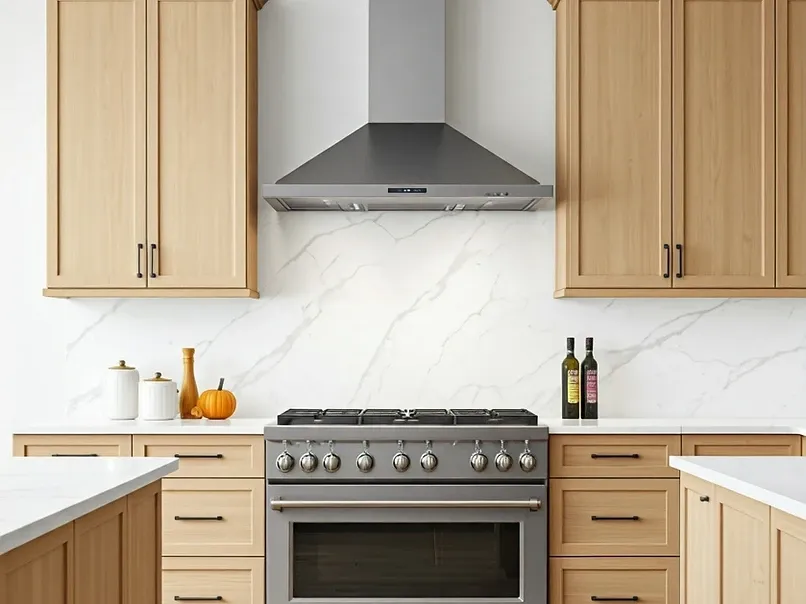
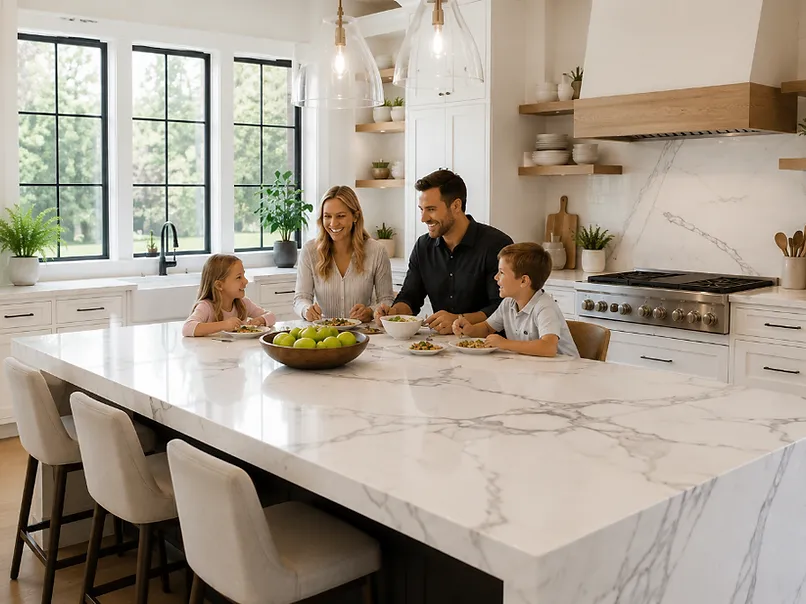

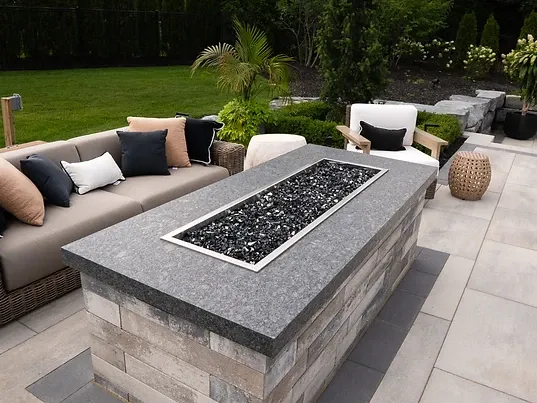
Considering Quartz countertops
Start by reviewing the room, layout, color preferences, and how the surface will be used.